

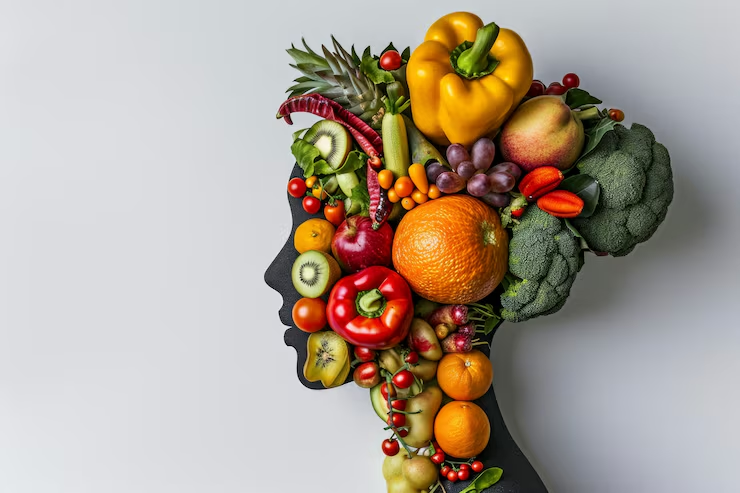
Mental health is shaped by more than thoughts and emotions—it is deeply influenced by what we eat every day. Nutrition plays a critical role in brain function, mood regulation, and emotional resilience. A balanced diet can support mental clarity, while poor nutritional choices may increase the risk of anxiety, depression, and cognitive decline.
The Connection Between Diet and the Brain
The brain is an energy-intensive organ that relies on a steady supply of nutrients to function properly. Vitamins, minerals, fats, proteins, and carbohydrates all contribute to neurotransmitter production and nerve signaling.
When the body lacks essential nutrients:
- Neurotransmitter balance may be disrupted
- Inflammation can increase
- Stress response systems may become overactive
Over time, these changes can negatively affect mood, focus, and emotional stability.
How Blood Sugar Stability Influences Mood
Fluctuating blood sugar levels can directly impact mental well-being. Rapid spikes and crashes often lead to irritability, fatigue, and difficulty concentrating.
Balanced meals help:
- Maintain consistent energy levels
- Reduce mood swings
- Improve concentration and emotional control
Meals that combine complex carbohydrates, protein, and healthy fats are especially beneficial for mental stability.
Essential Nutrients That Support Mental Health
Certain nutrients are particularly important for brain health and emotional balance.
Key nutrients include:
- Omega-3 fatty acids: Support brain structure and may reduce symptoms of depression
- B vitamins: Aid in energy production and neurotransmitter synthesis
- Magnesium: Helps regulate stress and relaxation responses
- Iron: Supports oxygen delivery to the brain
- Zinc: Plays a role in mood regulation and cognitive function
A varied, whole-food diet helps ensure these nutrients are consumed consistently.
The Gut-Brain Connection
The gut and brain communicate constantly through nerves, hormones, and immune pathways. This relationship is often referred to as the gut-brain axis.
A healthy gut supports mental health by:
- Producing neurotransmitters such as serotonin
- Regulating inflammation
- Supporting immune balance
Diets rich in fiber, fermented foods, and plant-based diversity help nourish beneficial gut bacteria, which in turn support emotional well-being.
Inflammation, Diet, and Mental Health
Chronic inflammation has been linked to depression, anxiety, and cognitive disorders. Diet plays a major role in either promoting or reducing inflammation.
Anti-inflammatory foods include:
- Fruits and vegetables
- Nuts and seeds
- Olive oil
- Fatty fish
Highly processed foods, excessive sugar, and trans fats may increase inflammatory responses and negatively affect mental health over time.
Hydration and Cognitive Performance
Even mild dehydration can affect concentration, memory, and mood. The brain depends on adequate hydration to maintain optimal function.
Good hydration habits:
- Support mental clarity
- Reduce headaches and fatigue
- Improve focus and reaction time
Water should be the primary source of hydration, with limited intake of sugary or highly caffeinated beverages.
How Dietary Patterns Shape Long-Term Mental Well-Being
Mental health is influenced not just by individual foods but by overall eating patterns. Diets rich in whole foods are associated with lower rates of depression and anxiety, while diets high in processed foods are linked to poorer mental outcomes.
Long-term benefits of healthy eating patterns include:
- Improved emotional resilience
- Better stress management
- Enhanced cognitive aging
Consistency over time is more impactful than short-term dietary changes.
Frequently Asked Questions (FAQs)
1. Can diet alone treat mental health conditions?
Diet supports mental health but should complement professional care when needed.
2. How quickly can nutrition changes affect mood?
Some people notice improvements within days, while others experience gradual changes over weeks.
3. Are supplements as effective as whole foods for mental health?
Whole foods are generally more effective due to nutrient synergy and absorption.
4. Does caffeine worsen anxiety?
In some individuals, excessive caffeine can increase nervousness and restlessness.
5. Can poor nutrition affect sleep quality?
Yes, nutrient imbalances and unstable blood sugar can disrupt sleep patterns.
6. Is emotional eating linked to mental health?
Emotional eating often reflects stress or mood challenges and can create a negative feedback loop.
7. Does regular meal timing matter for mental health?
Yes, consistent meals help regulate energy levels and mood stability.
By prioritizing nutrient-dense foods, balanced meals, and hydration, nutrition becomes a powerful ally in supporting mental health, emotional balance, and long-term cognitive well-being.