

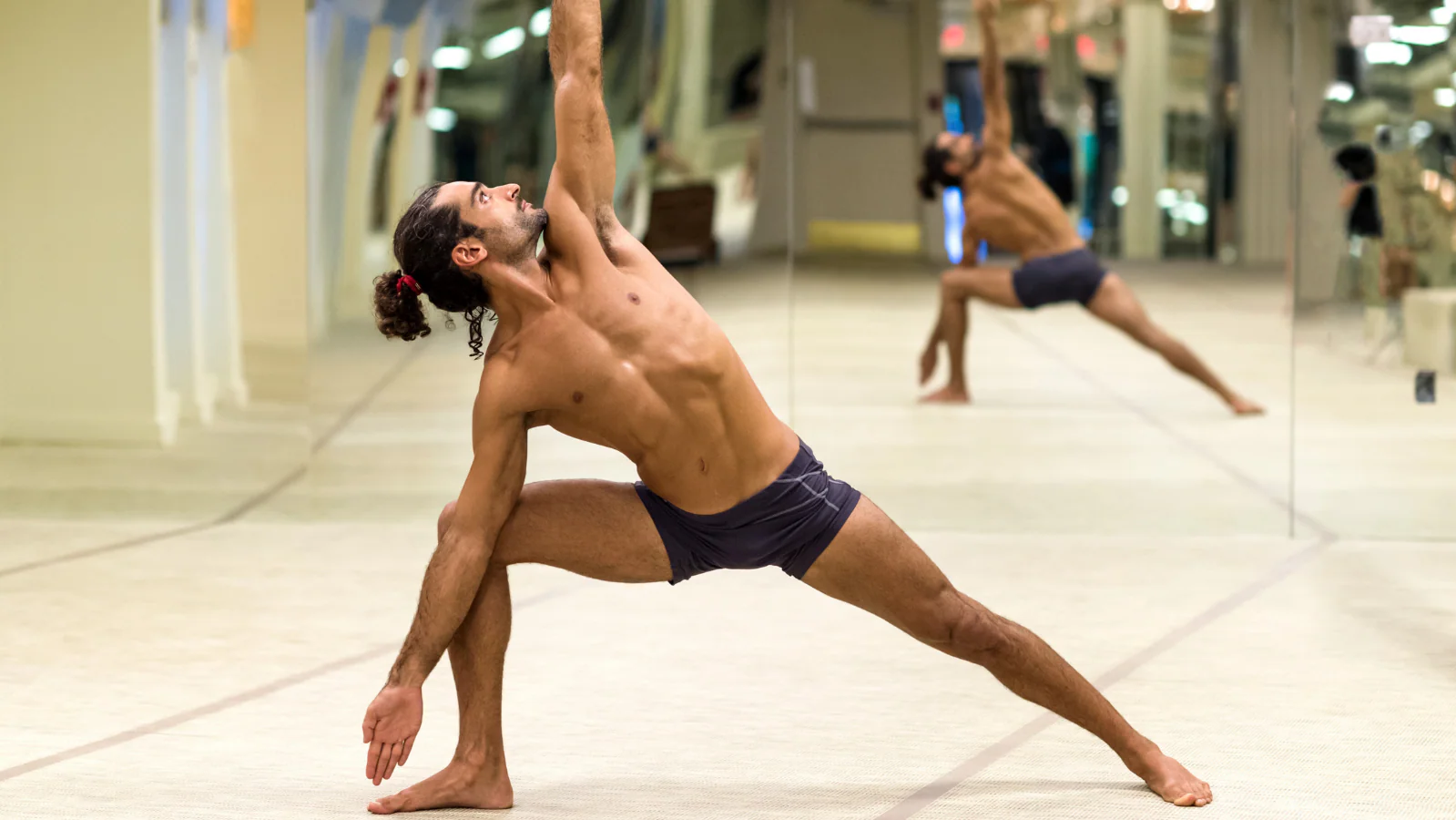
Staying hydrated and managing heat is something every Singaporean is familiar with. The island’s hot and humid climate makes hydration an everyday necessity, not just for athletes. Interestingly, bikram yoga is a practice that deliberately puts the body into a heated environment to improve resilience. For many in Singapore, this unique form of yoga is not just an exercise routine but also a method to condition the body for better performance, stress control, and fluid balance in daily life.
Understanding Bikram Yoga and Its Heated Environment
Bikram yoga is practised in a room heated to about 40°C with high humidity. The environment replicates intense tropical conditions, pushing the body to adapt both physically and mentally. Each session follows a fixed sequence of 26 postures and 2 breathing exercises, ensuring consistency while increasing endurance.
The heat makes the practice different from other fitness routines. Sweating is profuse, and the body quickly learns how to manage hydration, cooling, and oxygen intake more effectively. This aspect is particularly relevant to urban Singaporeans who spend time outdoors or commute through the city’s tropical climate.
How Heat Exposure Improves Hydration Awareness
Many people only think about water when they feel thirsty. However, by the time thirst kicks in, mild dehydration has often already begun. Practising bikram yoga trains individuals to become more conscious of their hydration status before, during, and after activity.
Key effects include:
-
Recognising early signs of dehydration like light-headedness or muscle cramps.
-
Developing the habit of pre-hydrating before entering heated environments.
-
Understanding the importance of electrolyte balance, not just plain water intake.
These skills translate into daily life, helping Singaporeans cope with the city’s humid climate more effectively.
Sweating as a Natural Cooling System
One of the most noticeable aspects of bikram yoga is the intensity of sweating. While some might initially find this uncomfortable, sweating is actually the body’s natural cooling mechanism. In a heated studio, sweat production is magnified, teaching the body to regulate internal temperature more efficiently.
The long-term benefits of sweating in controlled settings include:
-
Training sweat glands to activate more effectively in hot environments.
-
Supporting skin health by unclogging pores.
-
Improving circulation through consistent thermal regulation.
By becoming accustomed to heavy sweating in the studio, individuals may find that they cope better with Singapore’s outdoor heat, whether jogging at East Coast Park or simply walking along Orchard Road.
Hydration and Electrolytes: More Than Just Water
Practising in heated conditions places extra demand on the body’s mineral balance. Electrolytes such as sodium, potassium, and magnesium are lost through sweat. Bikram yoga makes people more aware of replacing these minerals through food and drinks.
Urban professionals in Singapore, who often rely on quick meals and caffeine, may overlook electrolyte replenishment. By experiencing the physical effects of mineral loss, bikram yoga practitioners become motivated to adjust their diets, incorporating:
-
Coconut water or electrolyte drinks.
-
Fresh fruits like bananas and oranges.
-
Leafy greens and seeds for magnesium.
This habit creates a better overall hydration strategy, useful not just during yoga but also in the daily urban lifestyle.
Strengthening Mental Endurance in Heat
Beyond physical hydration, bikram yoga builds mental resilience. Holding challenging poses in a hot room teaches patience, discipline, and focus. When paired with mindful breathing, the practice enhances concentration even in discomfort.
For city dwellers constantly navigating deadlines, public transport, or outdoor activities, this ability to remain calm in heat and stress translates directly into improved productivity and emotional balance.
Cardiovascular and Circulatory Benefits
Hydration and circulation go hand in hand. When the body loses fluids, blood volume decreases, making circulation more demanding. Bikram yoga addresses this by training the cardiovascular system under controlled stress.
Benefits include:
-
Improved blood flow to muscles and skin.
-
Better oxygen delivery during exertion.
-
Lower resting heart rate over time.
These outcomes mean that practitioners may notice more energy during daily tasks, less fatigue in humid conditions, and enhanced stamina for outdoor sports.
Linking Hydration Awareness to Workplace Productivity
For office workers, proper hydration is often overlooked. Air-conditioned offices create a false sense of coolness, while long hours at the desk reduce water intake. Bikram yoga makes hydration a conscious habit. Practitioners often find themselves drinking water at regular intervals throughout the day, leading to:
-
Improved focus and reduced brain fog.
-
Fewer headaches caused by mild dehydration.
-
Better energy management, especially in long meetings or during presentations.
In this way, the lessons from the yoga studio become tools for thriving in Singapore’s corporate and urban environments.
Community and Accountability in Hydration Habits
Bikram yoga classes are practised in groups, which fosters a sense of accountability. Seeing peers prepare with water bottles and post-class hydration routines encourages individuals to follow the same discipline.
This collective environment builds long-term habits, as people are more likely to sustain their practices when they are shared and supported within a community. For many, it becomes part of their identity, not just a weekly workout.
Choosing the Right Hydration Practices for Bikram Yoga
To maximise benefits, hydration strategies before and after a class are essential. Some recommended habits include:
-
Drinking 500–700 ml of water at least an hour before class.
-
Avoiding heavy meals directly before practice.
-
Bringing an electrolyte-rich drink for post-class recovery.
-
Monitoring urine colour as a practical indicator of hydration status.
By applying these strategies, urban Singaporeans can enhance both their yoga performance and their overall resilience in daily life.
Long-Term Impact on Urban Lifestyles
Over time, bikram yoga conditions both the body and mind to deal with Singapore’s demanding climate. The combination of hydration awareness, electrolyte management, and mental endurance creates a more adaptable, healthier individual.
It is not just about fitness but about developing life skills. These lessons are carried into commutes, outdoor sports, or even simple walks through the city. For many, the practice becomes a lifestyle foundation that extends beyond the studio walls.
For those seeking a holistic approach to health and heat resilience, communities such as Yoga Edition provide the structure, environment, and expertise to deepen the practice.
FAQs About Hydration and Bikram Yoga
Q. How much water should I drink before a bikram yoga class?
Aim for around 500–700 ml of water one hour before class. This ensures you are hydrated but not uncomfortably full during practice.
Q. Can drinking too much water before class cause discomfort?
Yes. Overhydrating right before class may lead to bloating or nausea. It is better to space out water intake throughout the day.
Q. What is the best post-class hydration strategy?
Combine water with electrolytes to replace minerals lost through sweat. Coconut water, bananas, or electrolyte tablets are all effective.
Q. Is sweating during bikram yoga different from sweating outdoors in Singapore?
The mechanism is the same, but the controlled studio environment makes sweating more intense. This teaches the body to regulate itself more effectively in natural humid conditions.
Q. Can bikram yoga help people who already struggle with heat tolerance?
Yes, but beginners should ease into practice carefully, hydrate well, and listen to their body. Over time, the tolerance improves as the body adapts.