

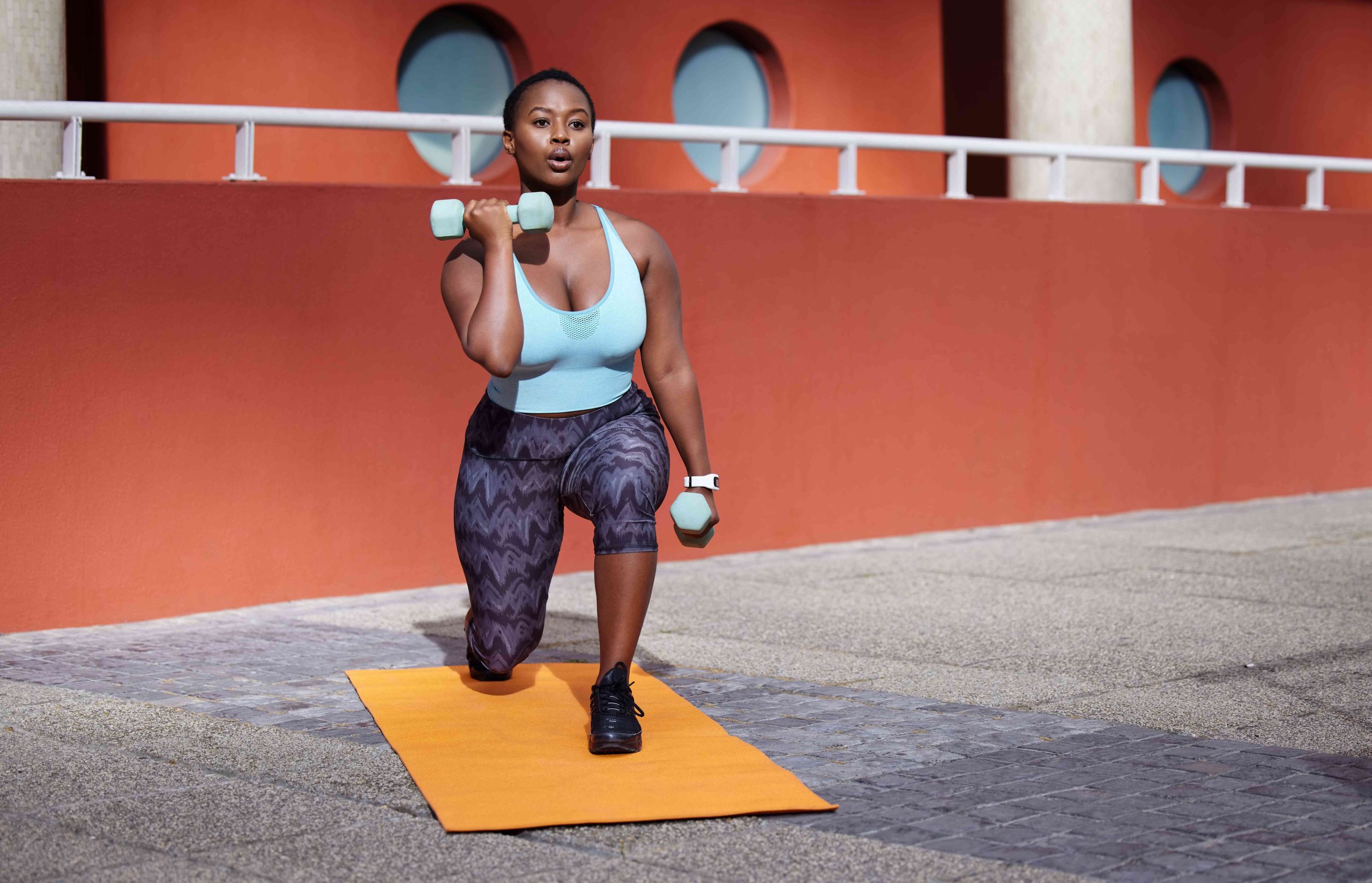
Weight loss and fat burning are most effective when exercise routines are structured, consistent, and sustainable. The right combination of movement not only burns calories but also boosts metabolism, preserves muscle mass, and improves overall health. Rather than focusing on one type of workout, a balanced routine delivers the best long-term results.
How Exercise Supports Weight Loss
Weight loss occurs when the body burns more calories than it consumes. Exercise accelerates this process by increasing energy expenditure and improving metabolic efficiency.
Regular physical activity helps by:
- Increasing daily calorie burn
- Preserving lean muscle mass
- Improving insulin sensitivity
- Supporting hormonal balance
Exercise also enhances mood and motivation, making healthy habits easier to maintain.
Cardio Exercises for Fat Burning
Cardiovascular exercise is a key component of fat loss because it raises heart rate and burns calories efficiently.
Effective cardio options include:
- Brisk walking
- Jogging or running
- Cycling
- Swimming
- Jump rope
For beginners, steady-state cardio performed at a moderate intensity is an excellent starting point.
High-Intensity Interval Training (HIIT)
HIIT alternates short bursts of intense activity with periods of rest or low-intensity movement. This style of training is highly effective for fat burning in a shorter time frame.
Benefits of HIIT include:
- Higher calorie burn in less time
- Increased post-workout fat burning
- Improved cardiovascular fitness
A simple HIIT session can last 15–25 minutes while delivering strong results.
Strength Training for Sustainable Weight Loss
Strength training is essential for long-term fat loss because muscle tissue burns more calories at rest than fat tissue.
Strength-based exercises include:
- Squats and lunges
- Push-ups and planks
- Resistance band workouts
- Weightlifting
Building muscle helps prevent metabolic slowdown often associated with dieting alone.
Full-Body Workout Routines
Full-body workouts are efficient and effective, especially for people with limited time. They engage multiple muscle groups in a single session.
A balanced full-body routine may include:
- One lower-body exercise
- One upper-body push movement
- One upper-body pull movement
- One core-focused exercise
This approach maximizes calorie burn and muscle engagement.
Home Workouts vs. Gym Workouts
Both home and gym workouts can support fat loss when done consistently.
Home workouts offer:
- Convenience and flexibility
- Minimal equipment requirements
- Reduced time barriers
Gym workouts provide:
- Access to varied equipment
- Structured environments
- Progressive resistance options
The best routine is one that fits your lifestyle and encourages consistency.
Weekly Exercise Structure for Fat Loss
A well-balanced weekly routine supports recovery while maintaining fat-burning momentum.
Example weekly structure:
- 3 days of cardio or HIIT
- 2–3 days of strength training
- 1–2 active recovery or rest days
Rest days are essential for muscle repair and injury prevention.
Common Mistakes That Slow Fat Loss
Avoiding common pitfalls can improve results and reduce frustration.
Frequent mistakes include:
- Overtraining without adequate recovery
- Ignoring strength training
- Relying only on long cardio sessions
- Inconsistent workout schedules
Progress comes from balanced effort, not extremes.
Supporting Fat Loss Beyond Exercise
Exercise works best when paired with supportive lifestyle habits.
Key factors include:
- Balanced nutrition
- Adequate sleep
- Stress management
- Proper hydration
Together, these elements create an environment where fat loss becomes more efficient and sustainable.
Frequently Asked Questions (FAQs)
1. How often should I exercise for weight loss?
Most people benefit from exercising at least 4–5 days per week.
2. Is cardio or strength training better for fat loss?
A combination of both delivers the best results.
3. Can beginners do HIIT workouts?
Yes, with modified intensity and proper rest intervals.
4. How long does it take to see fat loss results?
Visible changes often appear within 3–6 weeks of consistent training.
5. Should I exercise every day to lose weight faster?
No, rest days are essential for recovery and progress.
6. Does exercising on an empty stomach burn more fat?
Results vary, and performance and comfort should guide this choice.
7. Can short workouts still be effective for fat loss?
Yes, well-structured workouts as short as 20 minutes can be highly effective.
By combining cardio, strength training, and consistency, exercise routines become powerful tools for weight loss and fat burning—supporting not just a leaner body, but better overall health and long-term fitness.