

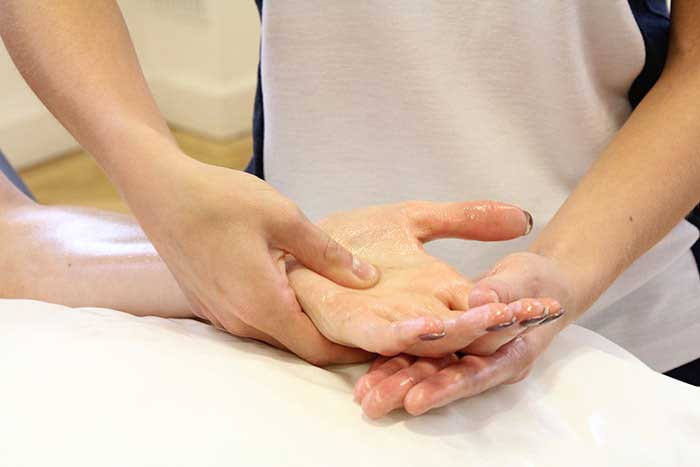
Pain can quietly disrupt daily life, whether it stems from long work hours, poor posture, stress, or recurring physical conditions. Acupressure offers a natural, beginner-friendly approach to pain management by using targeted pressure to activate the body’s own healing responses. This guide introduces the fundamentals of acupressure and explains how it can be used safely and effectively to relieve common types of pain.
What Is Acupressure?
Acupressure is a therapeutic technique that involves applying firm, steady pressure to specific points on the body using fingers, thumbs, or palms. These points are traditionally associated with pathways that influence nerves, muscles, and circulation.
Unlike acupuncture, acupressure:
- Does not involve needles
- Can be practiced at home
- Requires no special equipment
- Is suitable for beginners
Its goal is to reduce discomfort by encouraging relaxation, improving blood flow, and easing muscle tension.
How Acupressure Helps Manage Pain
Pain often occurs when muscles tighten, circulation slows, or nerves become overstimulated. Acupressure works by stimulating sensory receptors in the skin and muscles, which can interrupt pain signals sent to the brain.
Key benefits include:
- Reduced muscle stiffness
- Improved circulation
- Release of endorphins, the body’s natural pain relievers
- Calming of the nervous system
Over time, regular practice may help reduce both acute and chronic pain intensity.
Common Types of Pain Acupressure Can Help With
Acupressure is widely used for managing everyday discomfort.
It is commonly applied for:
- Headaches and migraines
- Neck and shoulder tension
- Lower back pain
- Joint stiffness
- Menstrual cramps
While it may not cure underlying medical conditions, it can significantly improve comfort and mobility.
Essential Acupressure Points for Beginners
Starting with a few well-known points allows beginners to practice safely and confidently.
Popular pain-relief points include:
- Large Intestine 4 (Hand Webbing): Useful for headaches, facial pain, and tension
- Stomach 36 (Below the Knee): Helps with general body pain and fatigue
- Gallbladder 20 (Base of the Skull): Eases neck stiffness and stress-related headaches
- Spleen 6 (Inner Lower Leg): Often used for pelvic and lower-body discomfort
Apply gentle but firm pressure for 1–2 minutes while breathing slowly.
Step-by-Step Guide to Practicing Acupressure
Learning proper technique enhances both safety and effectiveness.
Basic steps to follow:
- Sit or lie in a comfortable, relaxed position
- Locate the point using anatomical landmarks
- Apply steady pressure, avoiding sharp pain
- Breathe deeply and slowly
- Release gradually and repeat if needed
Consistency matters more than force. Light to moderate pressure is usually sufficient.
Safety Tips and Precautions
Acupressure is generally safe, but mindful practice is essential.
Important guidelines include:
- Avoid pressing on broken skin, bruises, or inflamed areas
- Do not apply strong pressure if pregnant unless advised by a professional
- Stop if you feel dizziness, nausea, or increased pain
- Use acupressure as a complementary approach, not a replacement for medical care
Listening to your body is key to safe results.
Integrating Acupressure Into Daily Life
One of acupressure’s greatest strengths is flexibility. Short sessions can be practiced at home, at work, or before sleep. Over time, regular use may help improve posture awareness, reduce stress-related pain, and promote overall physical comfort.
Many people combine acupressure with:
- Stretching or yoga
- Heat or cold therapy
- Mindful breathing
- Gentle movement
This holistic approach often leads to better long-term pain control.
Frequently Asked Questions (FAQs)
1. Can acupressure help with chronic pain conditions?
It may help reduce symptom intensity, but it should complement professional medical care.
2. How often should beginners practice acupressure for pain?
Once or twice daily is usually sufficient, depending on comfort and response.
3. Is soreness after acupressure normal?
Mild tenderness can occur but should fade quickly. Persistent pain is a sign to stop.
4. Can acupressure be used for sports-related pain?
Yes, it is often used to ease muscle tension and recovery discomfort.
5. Does acupressure work differently for nerve pain?
Results vary, but some people find relief through reduced muscle tension around nerves.
6. Can older adults safely use acupressure?
Yes, when applied gently and with attention to comfort.
7. Should acupressure be avoided during illness or fever?
Light techniques may be acceptable, but rest and medical advice are recommended during acute illness.
By understanding the basics and practicing regularly, beginners can use acupressure as a simple, empowering tool for managing everyday pain and supporting long-term physical well-being.