

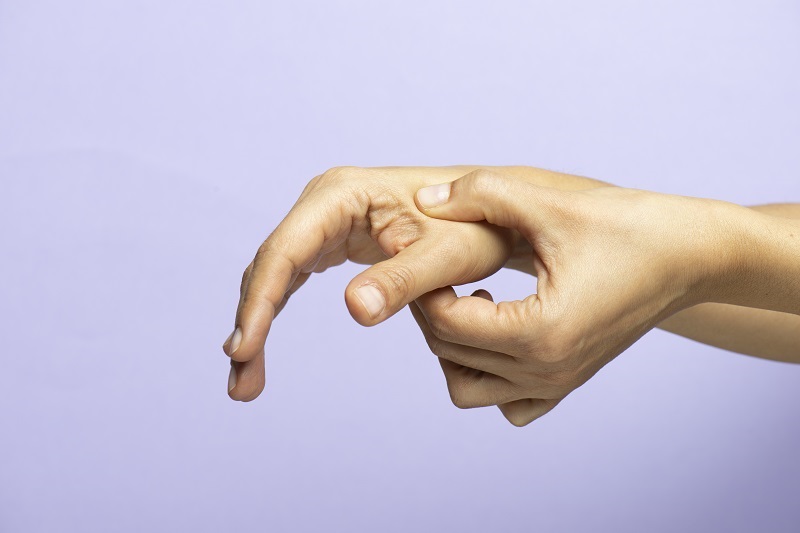
Modern life places constant demands on the mind and body, often leading to chronic stress, anxiety, and persistent fatigue. While medications and therapy play an important role for many people, natural techniques like acupressure offer a gentle, accessible way to support emotional and physical balance. Rooted in traditional healing practices, acupressure uses targeted touch to encourage the body’s own ability to relax and recover.
What Is Acupressure?
Acupressure is a hands-on therapy that involves applying steady pressure to specific points on the body. These points are believed to influence energy flow, nerve signaling, and blood circulation. Unlike acupuncture, acupressure does not use needles, making it easy to practice at home with minimal guidance.
At its core, acupressure aims to:
- Release muscular tension
- Calm the nervous system
- Improve circulation and oxygen flow
- Restore overall balance
The Science Behind Stress and Anxiety Relief
Stress and anxiety activate the body’s fight-or-flight response, increasing cortisol levels, muscle tightness, and heart rate. Acupressure helps counter this by stimulating the parasympathetic nervous system, which promotes relaxation.
Research suggests that consistent pressure on certain points may:
- Lower cortisol levels
- Increase endorphins, the body’s natural “feel-good” chemicals
- Reduce heart rate and blood pressure
- Improve sleep quality
This combination creates a measurable sense of calm, both mentally and physically.
Key Acupressure Points for Stress and Anxiety
Applying gentle but firm pressure for 1–3 minutes per point can help ease emotional tension.
Commonly used points include:
- Pericardium 6 (Inner Wrist): Helps soothe anxiety, nausea, and emotional restlessness
- Yintang (Between the Eyebrows): Often called the “calm mind” point, useful for racing thoughts
- Heart 7 (Wrist Crease): Supports emotional stability and relaxation
- Liver 3 (Top of the Foot): Releases built-up tension and irritability
Practicing slow breathing while pressing these points enhances their calming effect.
How Acupressure Reduces Mental and Physical Fatigue
Fatigue is not just physical exhaustion—it often involves mental burnout and nervous system overload. Acupressure improves energy levels by supporting circulation and reducing tension that drains the body.
Benefits for fatigue include:
- Improved blood and oxygen flow
- Reduced muscle stiffness
- Enhanced sleep quality
- Better focus and mental clarity
Instead of stimulating the body like caffeine, acupressure promotes sustainable energy by addressing the root causes of tiredness.
Effective Acupressure Points for Fatigue
To combat low energy, focus on points linked to vitality and stamina.
Helpful points include:
- Stomach 36 (Below the Knee): Known for boosting overall energy and immune function
- Kidney 1 (Sole of the Foot): Grounds the body and reduces exhaustion
- Large Intestine 4 (Hand Webbing): Relieves tension and improves circulation
These points are especially effective when used in the morning or during mid-day energy slumps.
How to Practice Acupressure Safely at Home
Acupressure is generally safe for most people when done correctly.
Basic tips for effective practice:
- Use clean hands and relaxed posture
- Apply steady pressure, not sharp pain
- Breathe slowly and deeply during the session
- Practice consistently, even for just 5–10 minutes daily
Those who are pregnant or managing chronic medical conditions should consult a qualified professional before starting.
Why Acupressure Fits Into Modern Wellness
One of acupressure’s greatest strengths is its simplicity. It requires no equipment, can be done almost anywhere, and complements other stress-management tools such as meditation, exercise, and therapy. Over time, regular practice can help build emotional resilience, improved energy, and better stress tolerance.
Frequently Asked Questions (FAQs)
1. How long does it take for acupressure to show results?
Some people feel immediate relaxation, while others notice gradual improvements after several consistent sessions.
2. Can acupressure replace medication for anxiety or stress?
Acupressure is a supportive technique, not a replacement for prescribed medical treatment.
3. Is it safe to practice acupressure every day?
Yes, daily practice is generally safe when pressure is applied gently and correctly.
4. Can acupressure help with work-related burnout?
Yes, it can reduce tension, mental fatigue, and stress associated with prolonged work pressure.
5. Do I need professional training to use acupressure?
Basic techniques can be safely learned, but advanced or chronic conditions may benefit from professional guidance.
6. Can acupressure improve sleep affected by anxiety?
Many people experience better sleep due to reduced nervous system arousal.
7. Is acupressure suitable for older adults?
Yes, when applied gently, it can be particularly helpful for relaxation and energy balance.
By integrating acupressure into daily routines, individuals can access a natural, empowering method to manage stress, anxiety, and fatigue—supporting both mental clarity and physical vitality over the long term.