

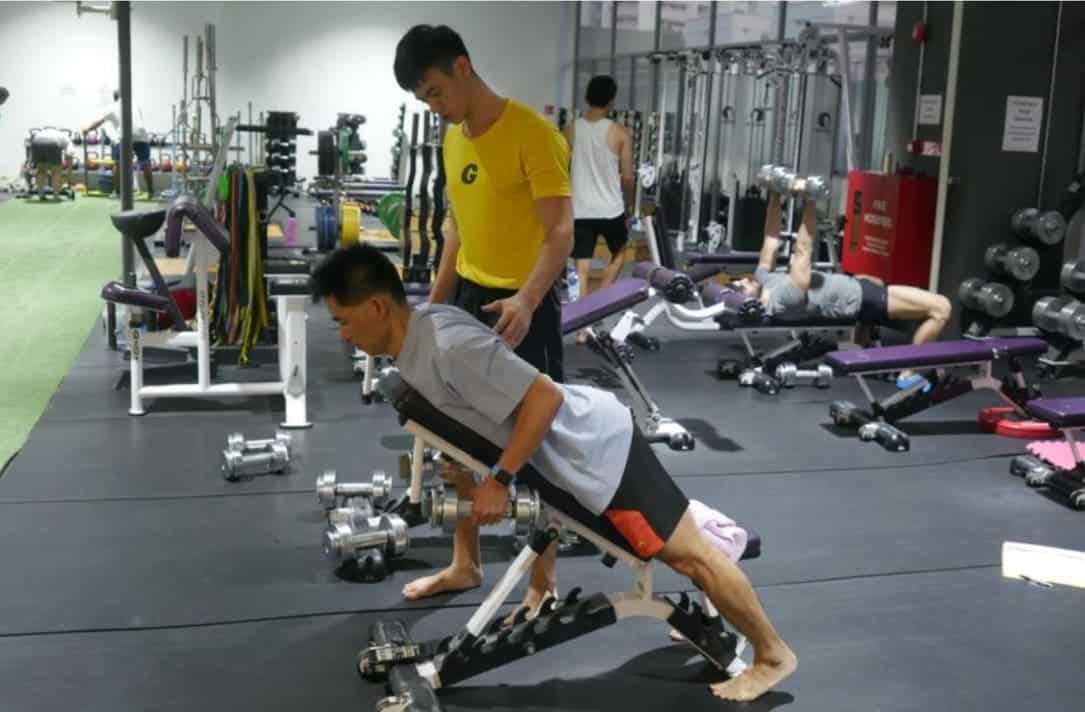
The modern Singaporean professional leads a hectic life filled with meetings, deadlines, social obligations, and long commutes. In such a fast-paced environment, fitness often takes a backseat. But neglecting health in pursuit of career goals can quickly lead to burnout, chronic stress, and long-term physical decline. That’s where working with a qualified fitness trainer Singapore can make a lasting difference. Rather than squeezing fitness into your life, a good trainer helps you restructure your routine so that health becomes a natural, integrated part of your lifestyle.
Singapore’s workforce is known for its hustle and productivity. However, even high-performing individuals need a strategy to maintain energy, physical stamina, and mental clarity. The right fitness trainer doesn’t just give you a workout—they build a system around your work life that ensures long-term wellness.
Why Work-Life-Health Balance Is Non-Negotiable
Professionals in Singapore often face long hours at the desk, limited physical movement, and work-related stress that accumulates over time. This not only leads to physical issues like neck stiffness, poor posture, and fatigue but also impacts emotional wellbeing. Burnout is no longer an abstract concept—it’s a lived reality for many.
When health is ignored, productivity drops, mood swings become more frequent, and the risk of lifestyle-related diseases rises. That’s why integrating fitness into a busy lifestyle isn’t optional; it’s essential.
A personal fitness trainer in Singapore helps bridge this gap by crafting realistic plans that account for your demanding schedule while still producing tangible health results.
Custom Programmes for Time-Strapped Clients
Most working adults have tight schedules. Meetings run late, family time is limited, and energy levels vary day to day. A trained fitness professional understands this and adjusts programmes to maximise efficiency within your available time.
Whether you have 30 minutes before heading to the office or a short window after dinner, your trainer can build targeted sessions that focus on:
- Compound movements that engage multiple muscle groups
- Metabolic circuits to elevate your heart rate quickly
- Mobility and stretching routines to undo desk-related tension
More importantly, trainers monitor your energy levels and stress load, adapting the workout accordingly so you don’t end up drained instead of recharged.
Stress Management Through Structured Training
Singapore’s corporate culture can be intense, with constant pressure to perform. Chronic stress often leads to poor sleep, overeating, and increased cortisol levels, which in turn cause weight gain and fatigue.
Regular training with a fitness trainer in Singapore acts as a physical outlet to relieve stress. But beyond exercise, the discipline and structure of training sessions also help professionals regain a sense of control over their daily lives.
Over time, this improves resilience, focus, and emotional balance. Clients often report that they sleep better, handle pressure more calmly, and even experience fewer headaches and digestive issues after sticking with a consistent programme.
The Value of Accountability for Professionals
One of the key reasons professionals fall off their fitness journey is lack of accountability. Left on their own, it’s easy to skip workouts, make excuses, or lose motivation after a tiring day.
A fitness trainer provides consistent check-ins and encouragement, reminding you why you started and keeping you accountable. That’s especially important in Singapore, where the pace of life can cause even the best intentions to fall apart quickly.
Additionally, many professionals respond well to structured progress tracking. Trainers typically use data and feedback to show measurable improvements in:
- Strength and endurance
- Body composition
- Flexibility and posture
- Resting heart rate and energy levels
When professionals see this kind of data, it fuels further motivation because the benefits of their investment are visible and tangible.
Building Efficient Nutrition and Lifestyle Habits
Busy professionals don’t have time for elaborate meal planning or counting calories. Fitness trainers in Singapore understand this and offer simplified strategies for sustainable eating.
Rather than promoting rigid diets, they help clients:
- Identify high-impact foods that support training and energy
- Develop routines around hydration and meal timing
- Learn to eat out wisely without sabotaging goals
By working with someone who understands local food options, hawker culture, and meal delivery services, you get realistic advice tailored to your lifestyle.
Beyond nutrition, trainers often encourage better sleep hygiene and recommend low-effort recovery methods like stretching before bed or midday walks to break up sedentary hours.
Adapting to Travel and Remote Work Routines
Many professionals in Singapore travel frequently or work remotely, making it harder to stay consistent. An experienced fitness trainer anticipates these disruptions and equips clients with on-the-go routines.
Whether it’s a hotel room workout, a desk-friendly mobility flow, or a five-minute morning activation sequence, trainers provide practical solutions to keep fitness uninterrupted.
Some even offer virtual check-ins or mobile app guidance for days when clients can’t meet in person. These small touchpoints go a long way in keeping clients engaged despite irregular schedules.
Success Stories from Singapore’s Professional Scene
It’s not uncommon to hear of executives, lawyers, or tech specialists transforming their health after starting a personalised programme with a fitness trainer.
One client, a 45-year-old banker in Raffles Place, used to suffer from chronic lower back pain. After consistent training focused on posture correction and strength building, he now reports pain-free workdays and better focus in meetings.
Another, a 30-year-old marketing executive who frequently travelled for work, built a routine around bodyweight exercises, short resistance workouts, and simple food tracking. Despite travelling 10–12 days a month, she managed to lose body fat and increase energy levels.
These real-world cases show that fitness isn’t just for athletes—it’s for anyone who wants to function at their best, regardless of workload.
Why Investing in a Personal Trainer Pays Off
Time is one of the most valuable assets for professionals. Wasting it on inefficient workouts, fad diets, or inconsistent effort can be demoralising. A fitness trainer Singapore professionals trust will cut through the noise and give you a clear, actionable plan tailored to your reality.
This investment pays off in more ways than just appearance. Clients report better decision-making at work, more stable moods, stronger immunity, and greater overall confidence.
For those looking to blend professionalism with personal wellbeing, TFX provides a premium environment where world-class trainers and tailored programmes align with your lifestyle.
FAQs About Fitness Training for Busy Professionals in Singapore
Q1: How do I fit personal training into my hectic work schedule?
Most trainers in Singapore offer early morning, lunchtime, or evening slots. Some even provide shorter, high-efficiency workouts to suit your timetable. Your plan can be adapted week by week based on your calendar.
Q2: I travel often for work. Can I still benefit from a personal trainer?
Yes. A good trainer will provide flexible plans, travel-friendly workouts, and virtual support to keep you on track even when you’re abroad or working remotely.
Q3: Will training add more stress to my life?
No. The right trainer will make your routine energising and restorative, not exhausting. Sessions are designed to complement your energy levels, not drain them.
Q4: What if I have no fitness background?
That’s not a problem. Many professionals start with little or no experience. A personal trainer will guide you through every step, ensuring safety and progress at your own pace.
Q5: Is training with a fitness trainer suitable for corporate executives?
Absolutely. Executives benefit greatly from structured training because it improves focus, posture, energy, and stress resilience—all of which are crucial in high-performance roles.