

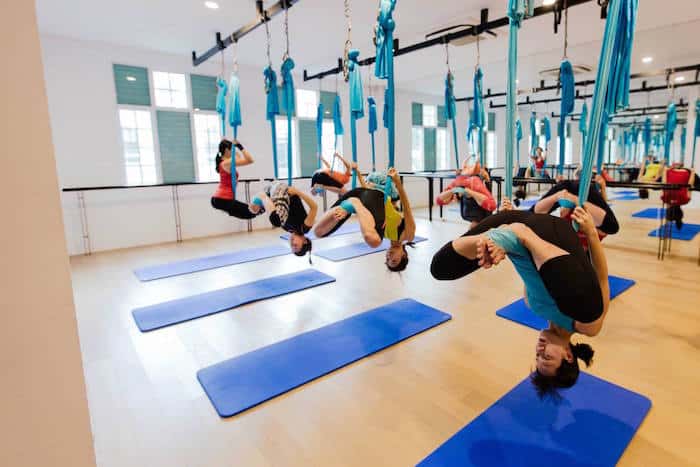
Trying out a new fitness activity can be both exciting and intimidating, especially when it involves hanging upside down in mid-air. But if you’ve been eyeing aerial yoga and wondering if it’s right for you, rest assured—it’s a beginner-friendly practice that combines fun, flexibility, and strength-building, all while keeping your feet (mostly) off the ground.
In Singapore, aerial yoga has seen a steady rise in popularity among those looking for something different from traditional fitness classes. With supportive instructors, safe setups, and beginner-focused classes available, it’s never been easier to explore the benefits of this graceful and empowering practice.
What Exactly is Aerial Yoga?
Aerial yoga, also known as anti-gravity yoga, involves performing yoga poses while suspended in a soft hammock made of silk. These hammocks are securely attached to the ceiling and support your weight, allowing you to flow through postures that would typically be challenging on a mat. Think of it as combining elements of yoga, Pilates, dance, and acrobatics into one seamless, gravity-defying experience.
The hammock acts as both a prop and a partner, helping you achieve deeper stretches, improve alignment, and build muscular control—all without putting pressure on your joints. This makes it ideal for beginners and individuals recovering from physical strain.
Why Aerial Yoga is Perfect for Beginners
If you’re new to yoga or even exercise in general, aerial yoga might seem daunting at first. However, many people find it surprisingly accessible and even more approachable than mat-based yoga.
Here’s why aerial yoga is beginner-friendly:
- The hammock provides support: It helps you balance and maintain proper form without over-straining your muscles.
- You don’t need advanced flexibility or strength: Many first-timers are surprised at how much they can do in their first class.
- It’s low impact: The support from the hammock reduces strain on wrists, knees, and hips.
- Instant gratification: Floating and inverting feels fun and rewarding from day one.
What to Expect in Your First Aerial Yoga Class
If you’re attending an aerial yoga class in Singapore for the first time, you can expect a welcoming and non-judgemental environment. Beginner classes are designed to help you get comfortable with the hammock, understand basic movements, and learn safety protocols.
A Typical Beginner Class Includes:
- Introduction to the hammock: You’ll learn how to mount, grip, and adjust the fabric to suit your height.
- Warm-up stretches: Gentle floor-based or supported stretches to ease into the session.
- Basic suspended poses: These may include floating lunges, aerial planks, or simple inversions.
- Breathwork and mindfulness: Emphasis on controlled breathing and body awareness.
- Cool down and relaxation: Often ends with cocoon-style rest inside the hammock—calming and deeply restorative.
Most classes last 60 minutes and are conducted in air-conditioned studios with certified instructors trained to guide you safely.
Safety Tips for Beginners
Although aerial yoga is generally safe when practised under the guidance of professionals, following a few tips can help ensure a smooth experience:
- Listen to your body: Don’t push yourself too hard. Aerial yoga is about flow and comfort, not competition.
- Communicate with your instructor: Let them know about injuries, health conditions, or if you’re nervous.
- Dress appropriately: Wear fitted, stretchable clothes that cover the armpits and knees. Avoid zippers, jewellery, or loose accessories that may snag the hammock.
- Avoid heavy meals before class: Especially if the session includes inversions.
- Arrive early: Give yourself time to settle in, adjust the hammock, and mentally prepare.
Choosing the Right Studio in Singapore
For beginners, choosing a reliable studio is key. Look for:
- Certified aerial yoga instructors
- Clean and well-maintained hammocks
- Small class sizes for personalised attention
- Introductory or foundational level classes
Studios like Yoga Edition are known for offering curated experiences that focus on technique, safety, and relaxation, making them ideal for first-timers.
Benefits You Can Expect as a Beginner
Even after just a few sessions, many beginners report significant improvements in physical and mental wellbeing. These include:
Physical Benefits:
- Improved flexibility and mobility: Gentle stretching in suspension increases range of motion.
- Core strength: Stabilising your body mid-air works deep core muscles.
- Better posture: Hanging stretches the spine and corrects alignment.
- Low-impact toning: Builds strength without stressing the joints.
Mental & Emotional Benefits:
- Reduced stress: The rocking motion of the hammock is calming and soothing.
- Improved confidence: Overcoming the fear of suspension or inversion boosts self-esteem.
- Heightened body awareness: Helps you understand how your body moves and feels.
Common Misconceptions About Aerial Yoga
Some people hesitate to try aerial yoga due to misunderstandings. Let’s clear a few of them:
“You need to be flexible or fit to start.”
Not true. Aerial yoga is designed to meet you where you are. Many students start with zero experience and gradually build their ability.
“It’s only for young people.”
In fact, aerial yoga is suitable for a wide range of ages and fitness levels. As long as you’re medically fit to exercise, you’re welcome in class.
“It looks dangerous.”
Studios use certified rigging systems and conduct regular safety checks. Plus, you’re never far off the ground in beginner classes.
“I’ll fall!”
It’s extremely rare. Hammocks are strong and designed to hold more than your body weight. With proper instruction, you’ll feel secure and supported.
How to Prepare for Your First Class
To make the most of your introduction to aerial yoga, follow these simple preparation steps:
- Book an intro class: Don’t jump into advanced-level sessions right away.
- Stay hydrated: Drink water before and after the class.
- Bring an open mind: It’s okay to wobble, giggle, or feel unsure—that’s part of the journey.
- Take it slow: Focus on your breath, not perfection.
After a few classes, you’ll likely find yourself more comfortable in the hammock, and even looking forward to new poses and deeper stretches.
Real-Life FAQ
Q: Is aerial yoga safe for complete beginners?
A: Yes. Beginner classes are designed to be accessible, with instructors guiding you every step of the way. The hammock offers support, and you’ll be close to the ground.
Q: How long does it take to see results?
A: Many people notice improved flexibility, posture, and mood within just 2–3 sessions. For strength gains, consistency over a few weeks is key.
Q: What if I’m afraid of heights?
A: Most beginners feel this way! Thankfully, you’re rarely more than a few feet off the floor. Fear usually fades quickly with experience.
Q: Can I do aerial yoga if I have a desk job?
A: Absolutely. Aerial yoga is perfect for counteracting the effects of long hours sitting—like tight hips, stiff shoulders, and poor posture.
Q: How is aerial yoga different from regular yoga?
A: While both promote flexibility and mindfulness, aerial yoga introduces a suspension element that offers spinal decompression, deeper stretches, and playful movement. It’s a refreshing twist on traditional practice.